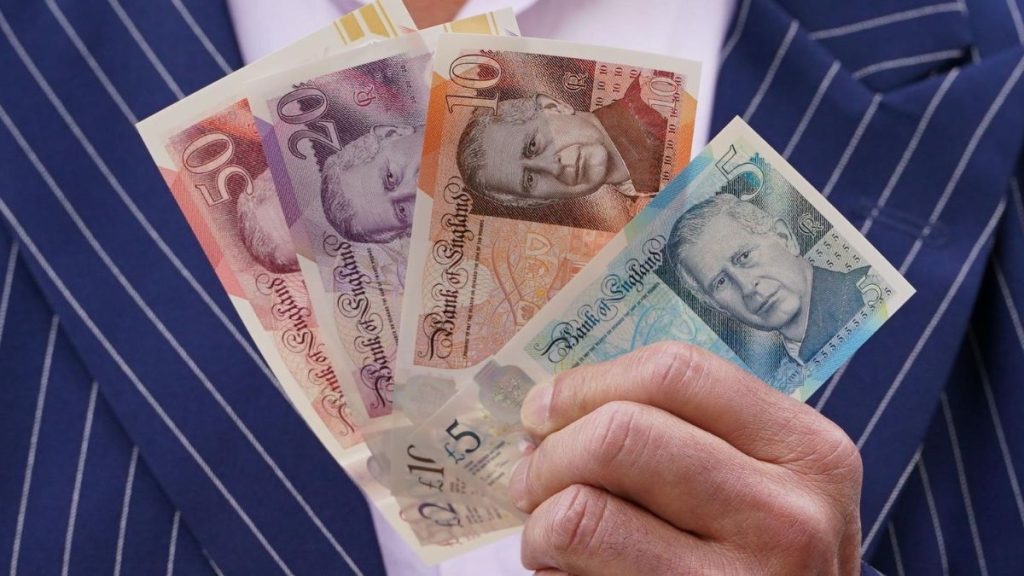
The UK government has confirmed a one-off £250 cost-of-living payment for low-income households, set to roll out between December 10 and December 23, 2025.** This financial relief targets more than 8 million households receiving means-tested benefits such as Universal Credit, Pension Credit, and legacy benefits, aiming to help families manage rising winter expenses and persistent inflation.
The Department for Work and Pensions (DWP) will automatically issue the payment to qualifying households, offering direct bank transfers or alternative delivery methods for non-banked claimants. The scheme is part of a broader £2 billion package to ease economic strain during the festive season and beyond.
Who Is Eligible for the £250 Winter Payment?

To qualify for the £250 cost-of-living payment, recipients must be on one of the following eight key benefits:

- Universal Credit (standard allowance £393 or more)
- Pension Credit (any amount)
- Income Support
- Income-based Jobseeker’s Allowance (JSA)
- Income-related Employment and Support Allowance (ESA)
- Child Tax Credit
- Working Tax Credit (with child element)
- Housing Benefit (with council tax reduction)
The qualifying condition is that the household received one of these benefits by November 2025, with no application required. Payments will be processed automatically
Who Is Not Eligible?
Exclusions apply under specific conditions:
- Households with savings exceeding £16,000
- Recent capital gains recipients
- Joint claims where only one partner meets the criteria
- Claimants not receiving qualifying benefits in November 2025
The DWP will cross-check data with HMRC to determine eligibility. Those who do not qualify will be notified via official letters.
Latest Stories
 UK Government to Send £500 Tax-Free Payment in 2025 – Eligibility, Payment Dates, and How to Prepare
Special Provision: Pension Credit Backdating Window
From December 1, 2025, a special backdating window opens for Pension Credit applicants. New claimants who apply in December and are found eligible can still receive:
- The £250 cost-of-living payment
- Backdated arrears covering several months of missed entitlements
This presents an opportunity for older residents to unlock up to £3,000+ in cumulative benefits.
How and When Will the Payments Be Delivered?
The £250 payments will be rolled out in batches based on National Insurance (NI) numbers for households with bank accounts. Most transfers will arrive overnight between December 10 and December 23.

Here is the payment schedule:
| NI Number Ending | Earliest Date | Latest Date |
|---|---|---|
| 2, 7 | Dec 10 | Dec 12 |
| 3, 8 | Dec 13 | Dec 15 |
| 4, 9 | Dec 16 | Dec 18 |
| 5, 0 | Dec 19 | Dec 21 |
| 1, 6 | Dec 22 | Dec 23 |
For those using Post Office card accounts, payments will be accessible from December 15, while non-banked households will receive cheques by mail from December 18, which must be cashed by January 31, 2026.
What If There’s a Delay?
The DWP is capable of processing up to 1 million payments daily, prioritising vulnerable households. Claimants can track progress via:
Latest Stories
 UK Banks Set New Cash Withdrawal Limits for Over-65s- How Pensioners Could Be Affected From 2 December
- Universal Credit online journals
- Pension Credit helpline at 0800 121 4437
If payment delays exceed 5 working days, compensation claims may be allowed.
Why Is This Payment Being Issued Now?
The government says the payment responds to:
- A 10% rise in the Ofgem energy price cap (£1,738/year average)
- Ongoing 2.3% inflation squeezing household budgets
- Climbing council tax and energy arrears (2.5 million in debt)
Chancellor Rachel Reeves described the scheme as a “winter shield” during her post-fiscal event remarks, with funding sourced through windfall taxes on energy profits.

Who Benefits the Most from the £250 Payment?
The payment offers a 5–10% monthly income boost for various low-income groups, as shown below:
| Household Type | Monthly Income (Pre-Payment) | Effective Boost | Key Use |
|---|---|---|---|
| Single Pensioner | £900 | +28% | Energy/Christmas expenses |
| Family on UC | £1,200 | +21% | Food/utilities |
| Disabled Single Adult | £850 | +29% | Medical/heat |
| Rural Low-Income Home | £950 | +26% | Fuel/transport |
These figures underline how the payment serves as a vital cushion during December, particularly for pensioners, disabled individuals, and single parents
How the Payment Fits with Other Support
This one-off payment will stack with the following schemes:
Latest Stories
 DWP Confirms New £500 Cost of Living Payments for 2025 – Check Your Eligibility and Full Details
- Winter Fuel Payment (£200–£300)
- Warm Home Discount (£150)
- Christmas Bonus (£10)
- Household Support Fund extensions
All payments are tax-free and do not affect the benefit cap or Universal Credit entitlements.
Watch Out for Scams and Misleading Claims
The government emphasises that:
- No repayment is required — the £250 is non-recoverable
- No one will contact you asking for bank details
- No activation fee is needed to receive the payment
Common scams include phishing emails or text messages pretending to be from DWP or HMRC. Victims are advised to report incidents to Action Fraud and verify payment information only through gov.uk.
Latest Stories
 Historic £649 Weekly State Pension Revealed for 2025 – Full Breakdown of Eligibility, Payment Rules, NI Requirements and Tax Impact
Government Processing and Helplines
A DWP/HMRC joint taskforce will oversee the payment rollout using:
- REAL ID verification
- The Bank Sort Code Direct System for 95% of transfers
- Post Office channels for the 500,000+ non-banked recipients
Helplines are expected to receive up to 1 million calls during the period. Digital payment trackers will go live by December 5.
How Scotland, Wales, and Northern Ireland Differ
Regional governments are supplementing the UK-wide £250 payment with additional support:
Latest Stories
 £480 Universal Credit December Payment Approved – Full Eligibility, Dates, Rates and DWP Rules Explained
| Region | Additional Support | Total Support Value |
|---|---|---|
| England | None | £250 |
| Scotland | £250 via Scottish Child Payment | £500 equivalent |
| Wales | £100 energy voucher | £350 |
| Northern Ireland | Executive Fund top-up | £300+ |
These additions reflect devolved governments’ efforts to address local cost-of-living challenges more robustly.
Budgeting Tips for Families Receiving the Payment
Financial experts recommend the following breakdown:
- 40% for energy bills
- 30% for food
- 20% for essential items
- 10% for holiday-related spending
Tools such as MoneyHelper budget planners are advised for managing spending. Families should also check for council tax discounts, which can reduce liabilities by up to 100% for low-income claimants.
Latest Stories
 DWP Confirms £562 Pension Boost – Check Who Qualifies and How to Claim Every Penny in 2025
Is the £250 Enough? Critics Say More Is Needed
While the government sees the payment as adequate winter support, critics argue it’s insufficient:
- Resolution Foundation says 1 million families will miss out due to under-claims
- Labour MPs propose a £500 extension
- Green Party suggests a universal £1,000 payment
- The IFS warns that temporary handouts ignore long-term poverty
Polling indicates that 72% of the public support expanding the payment to include low-wage earners not on benefits.
Looking Back: How This Payment Compares Historically
The £250 payment is the smallest cost-of-living payment since the scheme’s inception, signalling a cooling inflation trend. Here’s how it compares:
Latest Stories
 DWP Confirms £325 Universal Credit Boost for December 2025 — DWP Reveals Eligibility & Dates
| Year | Amount | Recipients | Inflation Rate |
|---|---|---|---|
| 2022 | £650 | 8 million | 10.1% |
| 2023 | £299 | 8 million | 4% |
| 2025 | £250 | 8 million | 2.3% |
While the need has lessened, many families remain vulnerable.
Long-Term Outlook and Fiscal Impact
The total cost of the programme is £2 billion, or 0.07% of UK GDP. The Office for Budget Responsibility (OBR) expects this cost to be offset by increased employment rates.
However, economists warn the Spring 2026 Budget may introduce clawbacks or shifts in benefit policy to manage public finances.
Latest Stories
 UK Pensioners Hit by Major New Home Ownership Rules – DWP Confirms Crucial Changes for 2025
Recipient Voices: Real Stories Behind the Numbers
- Margaret, 78, a pensioner from Lincolnshire: “Covers turkey and tree—first proper Christmas in years.”
- Aisha, a single mum of two: “Gas bill sorted; kids get presents this year. Couldn’t be more thankful.”
These testimonials reflect the payment’s real-world impact on everyday households.
What You Should Do Right Now
If you believe you might be eligible:
- Check your Universal Credit or Pension Credit account
- Call 0800 99 1234 to explore Pension Credit backdating
- Mark your calendar to track your bank account from December 10
- Report any suspicious messages asking for payment info
For many, this £250 could be the key to a more secure and festive December.