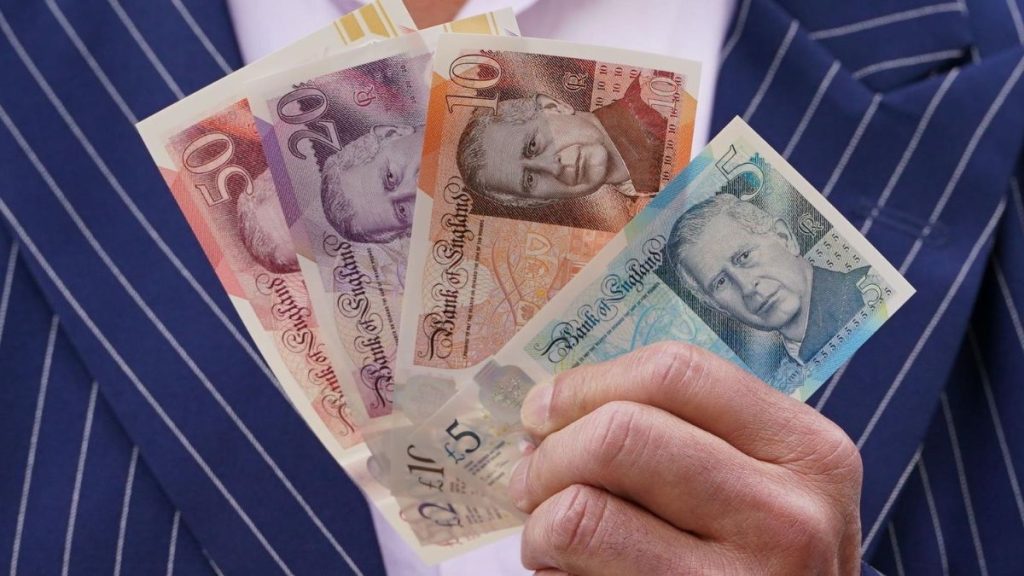
The Department for Work and Pensions (DWP) has officially confirmed that a £325 Universal Credit payment will be made in December 2025 to eligible claimants across the UK.** The announcement offers much-needed relief for millions of low-income households struggling with rising costs during the peak winter season.
As energy bills remain high and Christmas expenses stretch household budgets, this one-off payment is part of the government’s cost-of-living support strategy. However, eligibility rules are strict, and not all claimants will receive the money. Understanding the payment dates, qualifying conditions, and how this bonus fits with other benefits is essential.
What Is the £325 Universal Credit Payment?
The £325 payment is a one-off, tax-free cost of living support payment provided by the UK government and distributed by the DWP. It is not a replacement for your regular Universal Credit, but an extra financial boost meant to help households during the expensive winter period.

It is designed to cover urgent needs, such as:
- Heating and energy costs
- Food and groceries
- Winter transport
- Seasonal household bills
- Holiday-related expenses
This payment will not affect your benefit cap, does not count as income, and does not need to be repaid.
Why the Payment Is Being Issued in December 2025
The government has timed the £325 payment for December to ease financial pressure during:
Latest Stories
 DWP Confirms New £500 Cost of Living Payments for 2025 – Check Your Eligibility and Full Details
- Cold weather months when energy usage peaks
- Holiday season when spending increases
- Ongoing effects of inflation and rising household costs
- Continued energy price instability
DWP data highlights that December is one of the most financially difficult months for low-income families — and this payment is targeted to bridge that gap.
Who Is Eligible for the £325 Payment?
To qualify for the £325 payment, you must be receiving at least one eligible benefit during a specified assessment period.
You may be eligible if you receive:
Latest Stories
 Historic £649 Weekly State Pension Revealed for 2025 – Full Breakdown of Eligibility, Payment Rules, NI Requirements and Tax Impact
- Universal Credit
- Income-based Jobseeker’s Allowance (JSA)
- Income-related Employment and Support Allowance (ESA)
- Income Support
- Pension Credit
- Working Tax Credit or Child Tax Credit (in limited legacy cases)
For Universal Credit, additional rules apply:
- You must have an active claim
- You must have received at least £0.01 during the qualifying period
- You must not be under a sanction that reduced your payment to £0
If you’re still on the system but earned too much during the qualifying period to receive any payment, you won’t qualify.
What Are the Qualifying Dates?
To receive the payment, you must meet the benefit conditions during the qualifying period, which is expected to be:
Latest Stories
 £480 Universal Credit December Payment Approved – Full Eligibility, Dates, Rates and DWP Rules Explained
Mid-October to Mid-November 2025 (exact dates to be confirmed by DWP)
Only those receiving an eligible benefit during this window will qualify. If your claim started after this period, you will not receive the £325 — even if you’re on Universal Credit in December.
When Will the £325 Payment Be Made?
According to DWP, the £325 payment will be deposited automatically between:
Latest Stories
 DWP Confirms £562 Pension Boost – Check Who Qualifies and How to Claim Every Penny in 2025
10 December and 20 December 2025
Your exact payment date will depend on:
- Your benefit type
- Your National Insurance number
- DWP processing schedules
- Banking timelines
The payment will show up on your statement with a label such as:
Latest Stories
 UK Pensioners Hit by Major New Home Ownership Rules – DWP Confirms Crucial Changes for 2025
“DWP COL” or “Cost of Living Payment”
It will appear separately from your usual Universal Credit payment.
Do You Need to Apply for the £325?
No application is needed.
Latest Stories
 UK Government Confirms £300 Pension Adjustment from December — New HMRC Rule Explained, Effective from December
If you’re eligible, the DWP will send the payment automatically to the same bank account where your benefits are usually paid.
You do not need to:
- Apply online
- Submit forms
- Update your journal (unless your details changed)
- Call DWP
However, you must ensure your bank details are correct in your UC account before December.
Latest Stories
 UK New Child Benefit Rules Arrive in December 2025 — Will Your Payments, Eligibility or Taxes Change?
What If Your Payment Doesn’t Arrive?
If you believe you’re eligible but don’t receive the payment, you should:
- Wait until after 20 December 2025
- Check your bank statement for “DWP COL”
- Log into your Universal Credit journal
- Message DWP through the journal
- Contact the Cost of Living Helpline (when opened)
DWP often offers a short window for late payments or corrections.
Will This Affect Other Benefits?
No. The £325 is considered non-taxable and non-means-tested.
Latest Stories
 DWP Confirms Early December Payments for Millions — Will Your Universal Credit or PIP Arrive Sooner?
It will not impact:
- Universal Credit
- Housing Benefit
- Council Tax Reduction
- Benefit cap
- Tax assessments
It’s completely separate and safe from affecting your regular entitlements.
Can You Get the £325 If You Work?
Yes — if you’re still eligible for Universal Credit during the qualifying period.

This includes people who are:
- Working part-time
- On zero-hour contracts
- Self-employed with low income
- On sick pay or maternity leave
However, if your earnings cause your UC payment to drop to £0, you will not qualify that month.
What About Couples or Joint UC Claims?
Only one £325 payment will be made per household. That means:
Latest Stories
 UK Government Confirms 2025 Minimum Wage Rise – What It Means for Millions of UK Workers and Employers
- Couples receive £325 total, not per person
- The money goes to the main claimant’s account
- Both partners must be part of the same claim
If you and your partner are on separate claims, each may qualify individually.
What About Pension Credit Claimants?
If you receive Pension Credit during the qualifying period, you’re eligible for the £325 payment.
This includes:

- Guarantee Credit
- Savings Credit (if part of Pension Credit award)
If you’re State Pension age but not claiming Pension Credit, you will not qualify.
Tip: Many older people miss out on extra help by not applying for Pension Credit. This is a good reason to check your eligibility.
Tax Credit and Legacy Benefit Claimants
If you’re still receiving Working Tax Credit or Child Tax Credit, you might be eligible — but:
- New claims are not accepted
- Eligibility is limited
- You must have received tax credits during the qualifying period
- If you’ve moved to Universal Credit, your old claim must still have been active in the window
Only income-based benefits qualify — not contribution-based or New Style JSA/ESA alone.
Why Some Claimants Won’t Receive It
You may be excluded from receiving the £325 if:
- Your Universal Credit dropped to £0 due to high income
- You’re on contributory-only benefits
- Your claim started too late
- You were sanctioned during the qualifying period
- You only receive PIP or DLA (which are not income-related)
The scheme is strictly for low-income, means-tested benefit claimants.
How This Payment Helps With Winter Costs
The £325 is expected to ease pressure from:
- Gas and electricity bills
- Christmas food and gifts
- Travel expenses
- Rent or debt payments
While it won’t resolve long-term hardship, it offers temporary support during the coldest and most expensive season.
What the DWP Has Said About the Future
The DWP says the £325 is part of the current cost of living package, but future payments are not guaranteed.
Any additional support will depend on:
- Inflation
- Government budget
- Energy markets
- Public finances
Claimants are advised to budget cautiously and not rely on further one-off payments.
Stay Safe from Scams
Scammers often take advantage of cost of living payments.
The DWP will never:
- Ask for your bank details by text or email
- Request login information
- Ask for a fee to receive payment
- Contact you via third-party websites
If you receive such messages, report them to Action Fraud.
How to Make Sure You Don’t Miss Out
To protect your eligibility:
- Keep your UC claim active
- Ensure your bank details are current
- Check your journal messages regularly
- Report any changes promptly
- Avoid a nil award during the qualifying period
Even minor delays or reporting errors could cause you to miss the payment.
What This Means for Millions of UK Households
The £325 Universal Credit payment is a lifeline for vulnerable households in December 2025. It provides breathing space during a time of year when heating costs, holiday spending, and other living expenses rise sharply.
But because not every claimant qualifies automatically, it’s crucial to understand the eligibility criteria and take proactive steps now to ensure you don’t miss out.