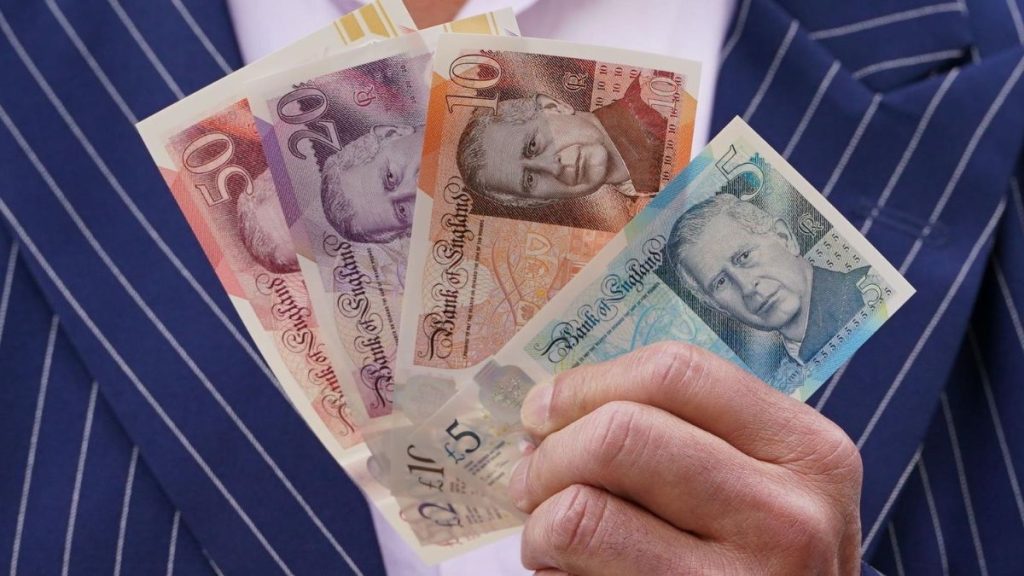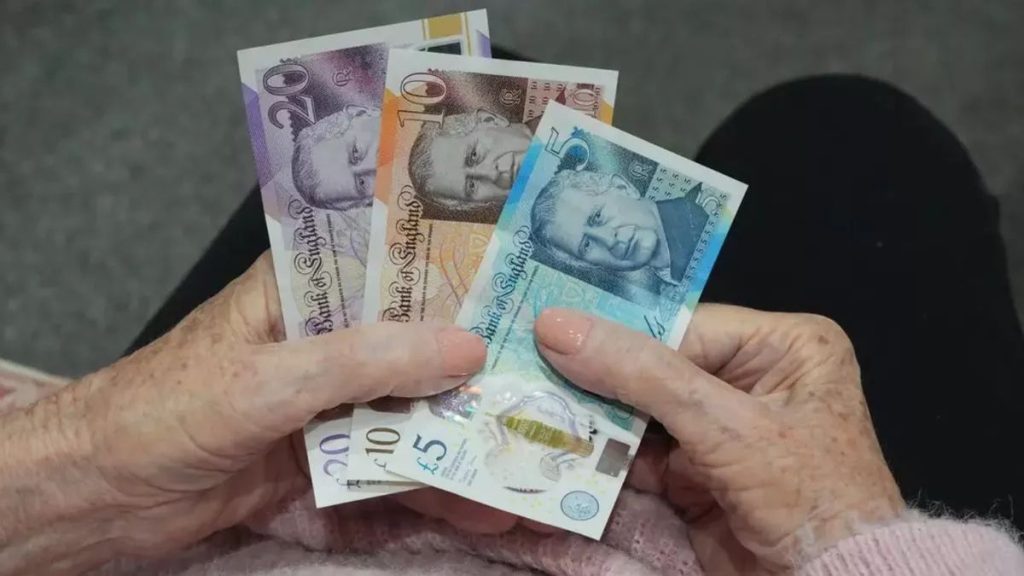

The Department for Work and Pensions (DWP) has announced a £500 cost-of-living payment to be delivered to eligible British citizens in 2025, designed to ease the financial pressures caused by rising inflation and living expenses.**
Introduction: A Crucial Support Measure for 2025
As the UK continues to navigate persistent inflation and rising household expenses, the government has introduced a new £500 cost-of-living payment aimed at providing direct financial relief to millions of residents. This one‑off non‑taxable payment reflects the government’s commitment to easing the financial strain faced by pensioners, disabled individuals, carers, and low-income households.
The initiative is expected to play a significant role in stabilising household budgets and reducing financial pressure during what is forecast to be another economically challenging year.

Rising Costs and Economic Pressures Behind the Payment
Over the past few years, the UK has experienced sharp increases in energy prices, food bills, transportation costs, and general inflation. These ongoing pressures have strained household budgets across the country.
The £500 cost-of-living payment is part of a wider government effort to provide targeted and immediate support for the most vulnerable groups. By offering this payment in cash, the government ensures that households have the freedom to decide how best to use the money, whether for utilities, groceries, rent, healthcare, or debt repayment.
This new support builds upon previous government measures such as energy rebates, disability cost-of-living bonuses, and increased welfare payments, but its broader eligibility makes it one of the most impactful relief packages of 2025.
Latest Stories
 Historic £649 Weekly State Pension Revealed for 2025 – Full Breakdown of Eligibility, Payment Rules, NI Requirements and Tax Impact
Who Qualifies for the £500 Cost-of-Living Payment?
Eligibility for this payment is determined through existing benefit systems, ensuring automatic access for those already known to be vulnerable. The following groups are expected to qualify:
1. Disability Benefit Recipients
Individuals receiving:
- Personal Independence Payment (PIP)
- Disability Living Allowance (DLA)
- Attendance Allowance
These groups often face additional financial burdens, especially as inflation affects medical supplies, transport, and daily care needs.
2. Pensioners and Older Adults
Individuals receiving:
Latest Stories
 £480 Universal Credit December Payment Approved – Full Eligibility, Dates, Rates and DWP Rules Explained
- State Pension
- Pension Credit
With rising heating costs and healthcare expenses, pensioners remain one of the highest‑risk groups during inflation spikes.
3. Low-Income Households
Recipients of the following benefits will also be eligible:
- Universal Credit
- Income Support
- Employment and Support Allowance (ESA)
- Jobseeker’s Allowance (JSA)
These households are disproportionately affected by increases in essential living costs and rely significantly on government assistance.
4. Carers
Recipients of:
- Carer’s Allowance
As carers often sacrifice employment opportunities to support loved ones, this payment offers much-needed financial stability.
To qualify, recipients must reside in the UK and meet the eligibility criteria during the designated qualification window set for 2025.
Latest Stories
 DWP Confirms £562 Pension Boost – Check Who Qualifies and How to Claim Every Penny in 2025
How the £500 Payment Will Be Delivered
The government aims to ensure a smooth, automatic, and secure distribution process. Key features include:
Non‑Taxable Payment
The payment will not count toward taxable income, and it will not reduce entitlement to other benefits, allowing households to use the full amount without penalty.
Direct Bank Transfer or Cheque
Most eligible individuals will receive the payment directly into their bank accounts registered with DWP or HMRC.
Where banking details are unavailable, cheques or postal payments will be issued.
Latest Stories
 DWP Confirms £325 Universal Credit Boost for December 2025 — DWP Reveals Eligibility & Dates
No Application Required
The government has confirmed that no formal application is necessary. Eligibility will be determined automatically using welfare records, tax databases, and pension information.
This avoids administrative delays and ensures the funds reach recipients without requiring new paperwork.
When Will Payments Be Made?
The £500 payment will begin distribution from mid‑2025 and continue over several months in phases.
Latest Stories
 UK Pensioners Hit by Major New Home Ownership Rules – DWP Confirms Crucial Changes for 2025
The rollout is expected to occur in waves, grouped by benefit type, ensuring manageable processing for departments like DWP and HMRC.
Recipients are encouraged to:
- Verify that their contact information is updated
- Confirm their banking details with relevant government portals
- Monitor official letters, SMS alerts, or emails for payment updates
Any incorrect information could cause delays, so early verification is strongly advised.
Latest Stories
 UK Government Confirms £300 Pension Adjustment from December — New HMRC Rule Explained, Effective from December
Why the Payment Is Non-Taxable: Protecting Entitlements
By classifying the £500 payment as non-taxable, the government ensures that recipients do not lose access to:
- Universal Credit
- Housing Benefit
- Council Tax Reductions
- Pension Credit
- Disability benefits
Taxable payments can sometimes affect overall benefit calculations. The non-taxable feature therefore maximises financial support and avoids unintended reductions in existing welfare
Funding and Administration: How the Payment Works Behind the Scenes
The payment is funded by central government allocations and administered through:
Latest Stories
 UK New Child Benefit Rules Arrive in December 2025 — Will Your Payments, Eligibility or Taxes Change?
- Department for Work and Pensions (DWP)
- HM Revenue and Customs (HMRC)
Both departments will use data matching technology to automatically identify eligible claimants. This system has already been used for previous cost-of-living payments and proven efficient in reducing fraud, errors, and delays.
The government emphasises that utilising existing infrastructure helps deliver the payment quickly, cost-effectively, and accurately.
Impact on Households and the Wider UK Economy
The £500 support measure is expected to bring immediate and long-term benefits.
Latest Stories
 DWP Confirms Early December Payments for Millions — Will Your Universal Credit or PIP Arrive Sooner?
Short-Term Impacts
- Higher disposable income for essential expenses
- Reduced financial stress among vulnerable groups
- Lower risk of missed payments, rent arrears, or debt accumulation
Long-Term Economic Effects
- Increased spending in local communities
- Improved financial stability for pensioners and disabled individuals
- Greater resilience against future inflationary pressures
Economists note that direct cash payments are among the most effective tools for stimulating local economic activity.
How to Check Eligibility or Payment Status
Even though applications are not required, recipients can check payment status by:
- Logging into their Government Gateway account
- Checking their Universal Credit online journal
- Reviewing communication from DWP or HMRC
- Calling Jobcentre Plus or the Pension Service
- Ensuring bank details and contact information are accurate
These steps help ensure timely payments and prevent administrative issues.

Summary Table: Key Details of the £500 Cost-of-Living Payment
| Aspect | Details |
|---|---|
| Payment Amount | £500 (one‑off) |
| Tax Status | Non‑taxable |
| Delivery Method | Bank transfer or cheque |
| Eligible Groups | Pensioners, disabled individuals, low-income households, carers |
| Payment Period | Mid‑2025 to late‑2025 |
| Application Needed? | No – automatic assessment |